
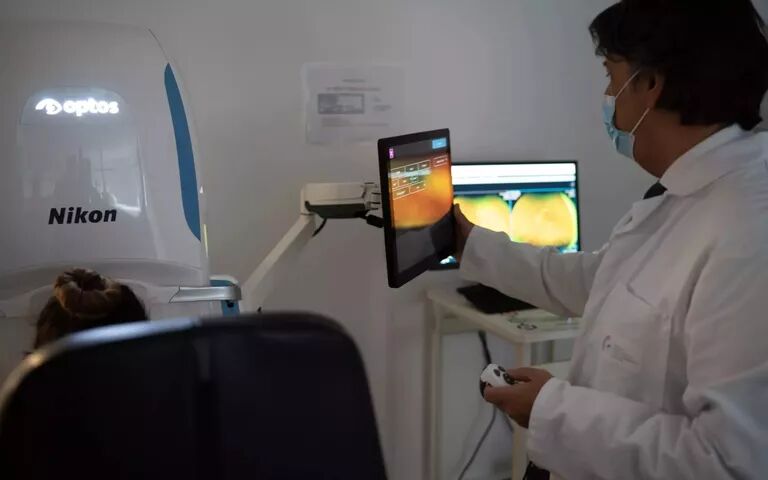
The Treatments
Intravitreal Injection

Intravitreal Injection
Intravitreal injection (IVT) is a medical procedure that involves injecting medication inside the eye. It is primarily used in the treatment of wet age-related macular degeneration (AMD) to stabilize the disease, as well as in all forms of macular edema.
IVT is not painful because it is preceded by repeated instillations of anesthetic eye drops and is not dangerous when performed by an experienced ophthalmologist. The injections are performed under local anesthesia, in aseptic conditions similar to an operating room. An injection only takes a few seconds. There may be a sensation of grittiness in the eye in the 24 hours following the injection, mainly due to the disinfectants used before the injection
Retinal Laser
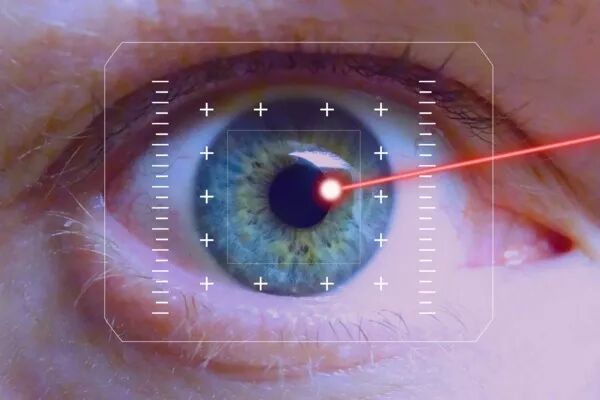
Retinal Laser
Laser is now used to treat many eye diseases, either alone or in combination with other treatments. Several types of medical lasers are used in ophthalmology, each adapted to specific purposes.
- For the treatment of glaucoma, laser treatment is used to improve the drainage of aqueous humor in order to reduce intraocular pressure.
- Retinal laser photocoagulation is used to treat pathological areas of the retina, such as ischemic areas, neovascular proliferation, or retinal aneurysms. The treatment is performed under local anesthesia and is generally not painful. In the majority of cases, it is not intended to improve vision but rather to prevent further deterioration.
- Another type of laser, known as YAG laser, is used to treat posterior capsule opacification, also called 'secondary cataract.
Dynamic phototherapy
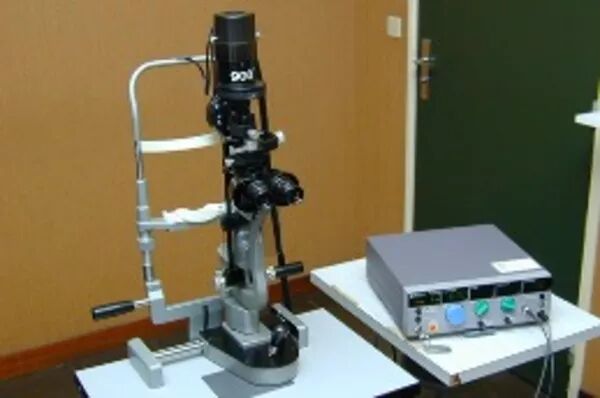
Dynamic phototherapy
Dynamic phototherapy (PDT) involves combining a source of so-called "cold laser" and an intravenous injection of a product called verteporfin. PDT is still indicated for some macular pathologies such as pachychoroid. Professor Eric Souied has more than 25 years of experience in practicing photodynamic therapy.
Photobiomodulation
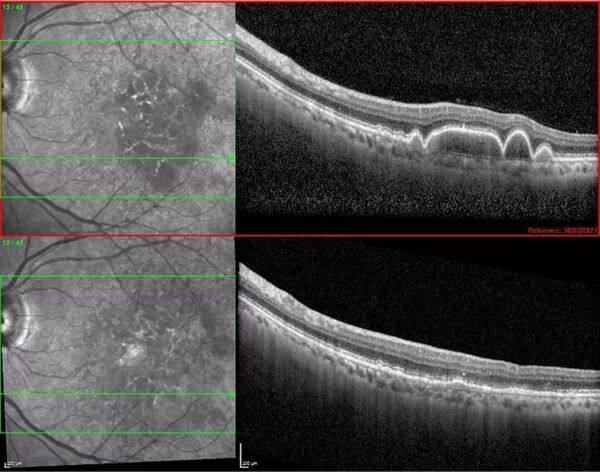
Photobiomodulation
Photobiomodulation involves achieving the regression of macular drusen after exposure to targeted wavelength infrared light. The mechanism is based on the activation of mitochondria in the retinal pigment epithelium through the cytochrome C oxidase pathway.
Retinal Surgery

Retinal Surgery
Vitrectomy surgeries are used to treat certain retinal and macular diseases. They are usually performed under local anesthesia (peribulbar) and are painless.
The procedure involves removing the vitreous humor using a microscopic vacuum called a vitrectome. Once the vitreous humor is removed, treatments for the retina and macula are carried out, including peeling, laser therapy, cauterization, and more.
Afterward, air, gas, or silicone is injected into the eye to assist in retinal healing, which is referred to as tamponade. Vitrectomy is particularly effective in treating macular hole, epiretinal membrane, or retinal detachmen
Cataract Surgery
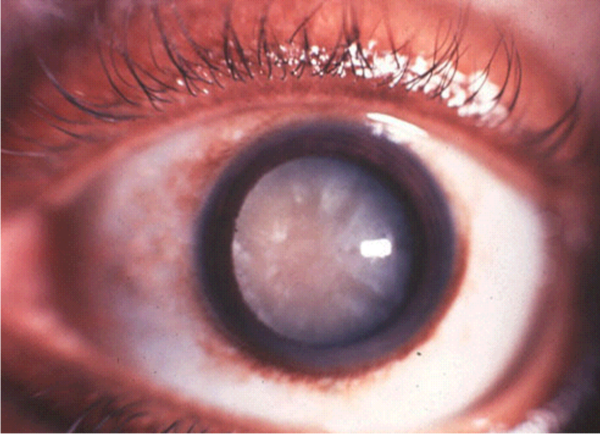
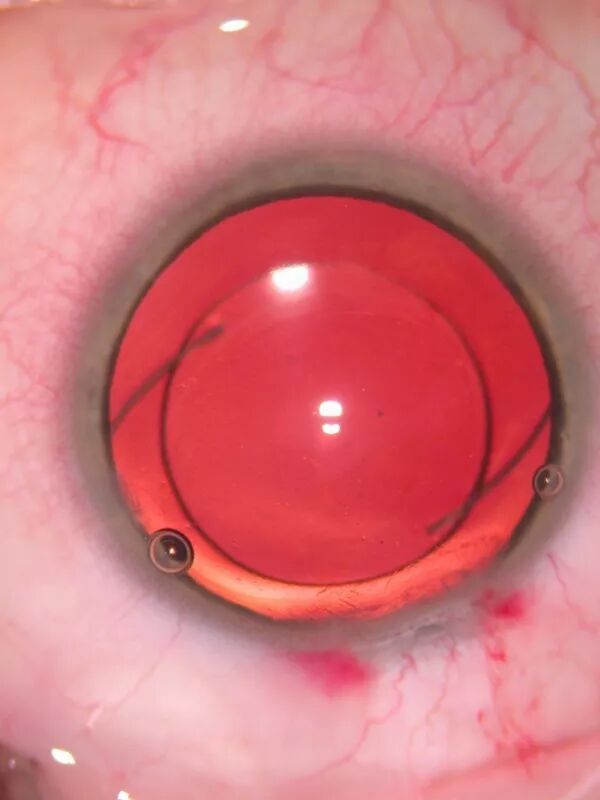
Cataract Surgery
When visual impairment becomes significant, the only possible treatment for cataracts is surgery. This involves removing the opaque interior of the lens through a small incision after fragmentation inside the eye, while retaining the transparent capsule. At the end of the procedure, an implant, which is a lens, is placed inside this capsule.
This surgery can be performed under local anesthesia on an outpatient basis. Eye protection is required for a few days, and within the month following the surgery, eye drops are prescribed, and glasses may be prescribed as well.